UK social media ban: what apps it covers, when it starts, and why the list may hit 150
Ministers are weighing Vinted and eBay, and sources say YouTube Kids and Lego Play could be caught, as the under-16 rules head to Parliament in December ahead of a reported March start.
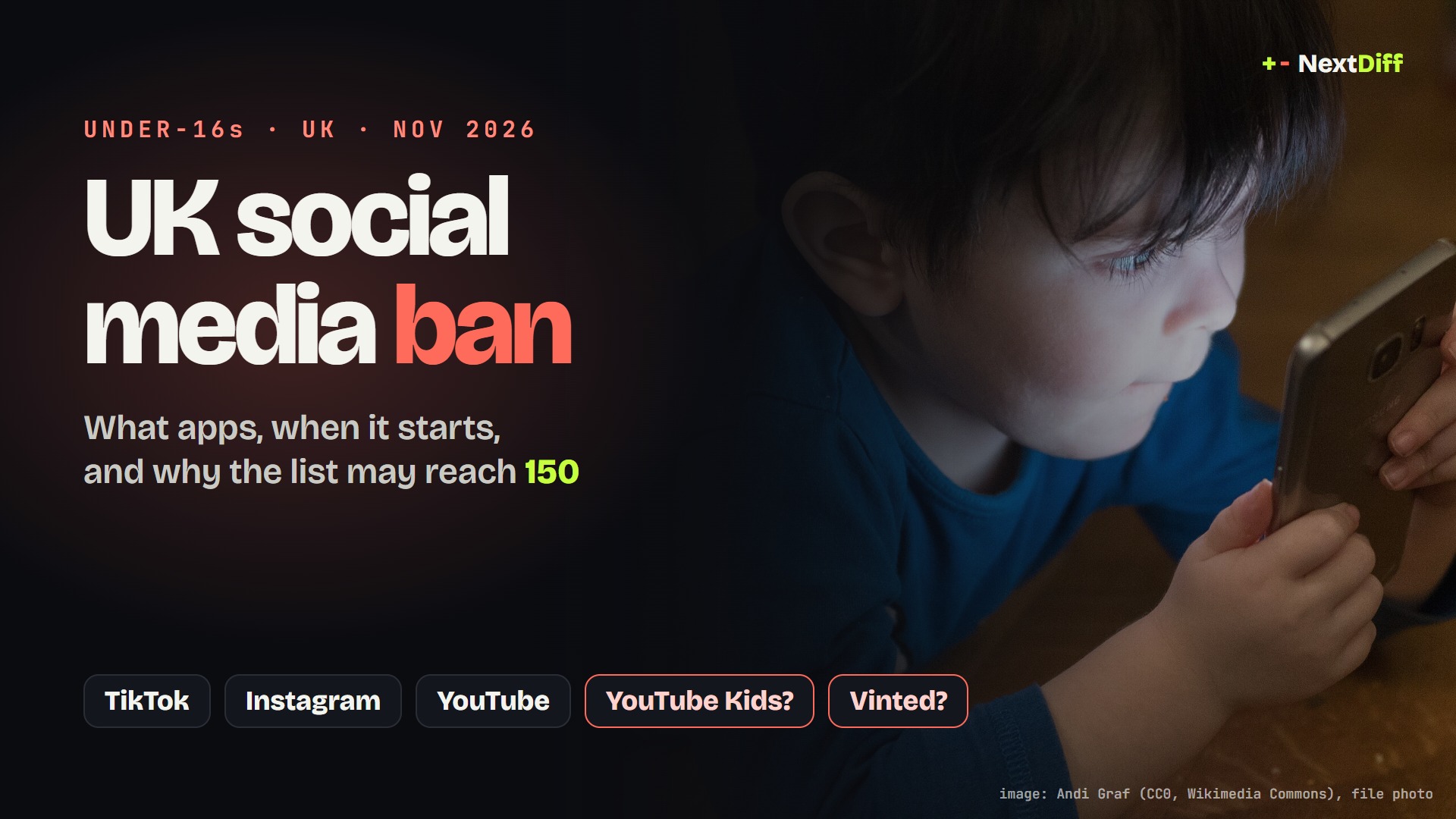
The UK social media ban for under-16s, announced in June for apps like TikTok, Instagram and YouTube, could now cover up to 150 platforms. Ministers are weighing Vinted and eBay, the regulations are due in Parliament in December, and the ban is reported to start in March 2027, enforced by Ofcom-backed age checks.
The UK social media ban for under-16s was announced in June as a ban on the big feeds: TikTok, Instagram, Snapchat, YouTube, Facebook and X. Five months on, the list is getting longer before the law has even been written. According to the Guardian, the draft regulations could cover up to 150 platforms, including YouTube Kids and Lego Play, and Culture Secretary Lisa Nandy says ministers are looking seriously at adding Vinted and eBay.
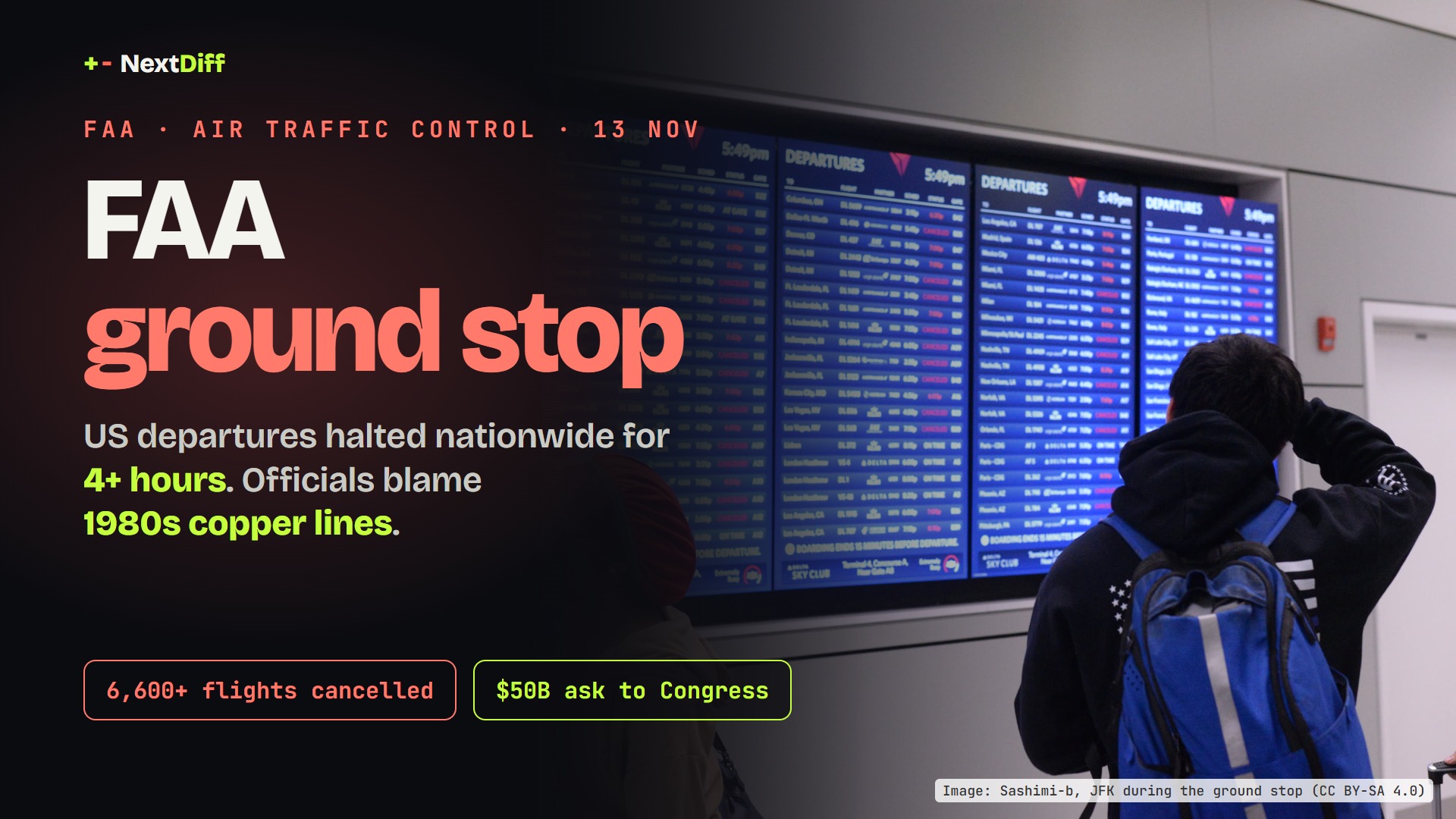
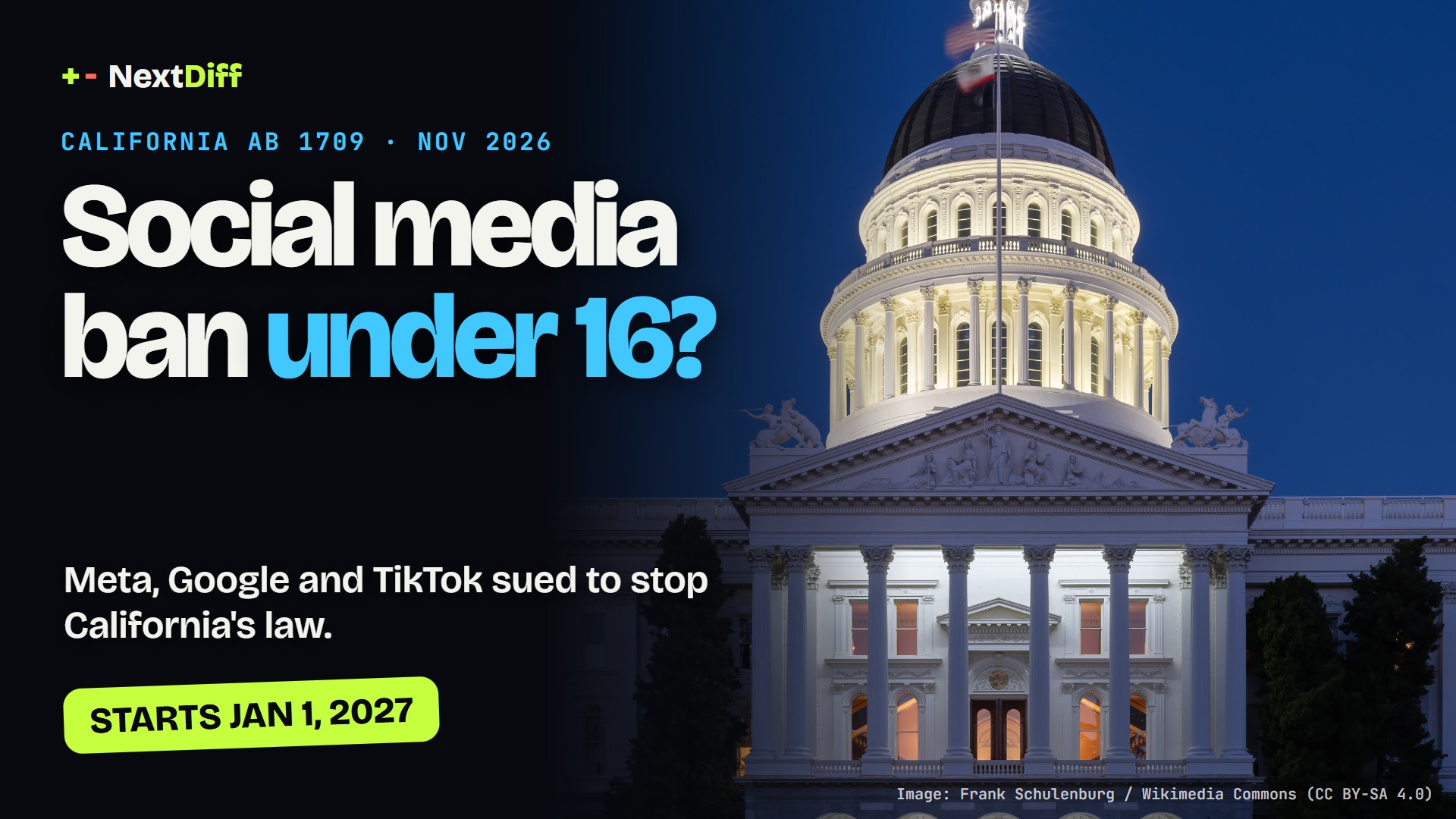
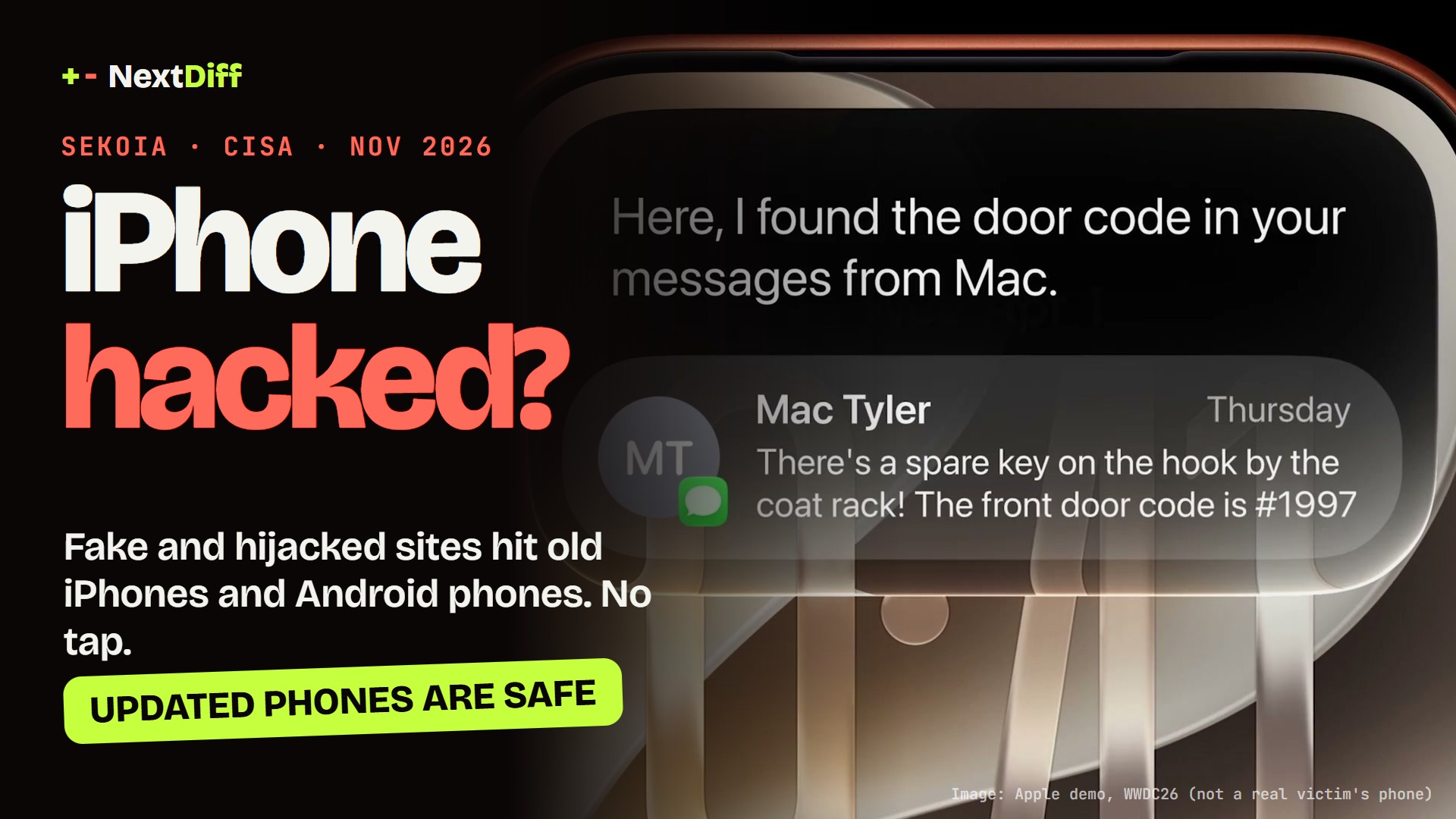
Our 26-second version:
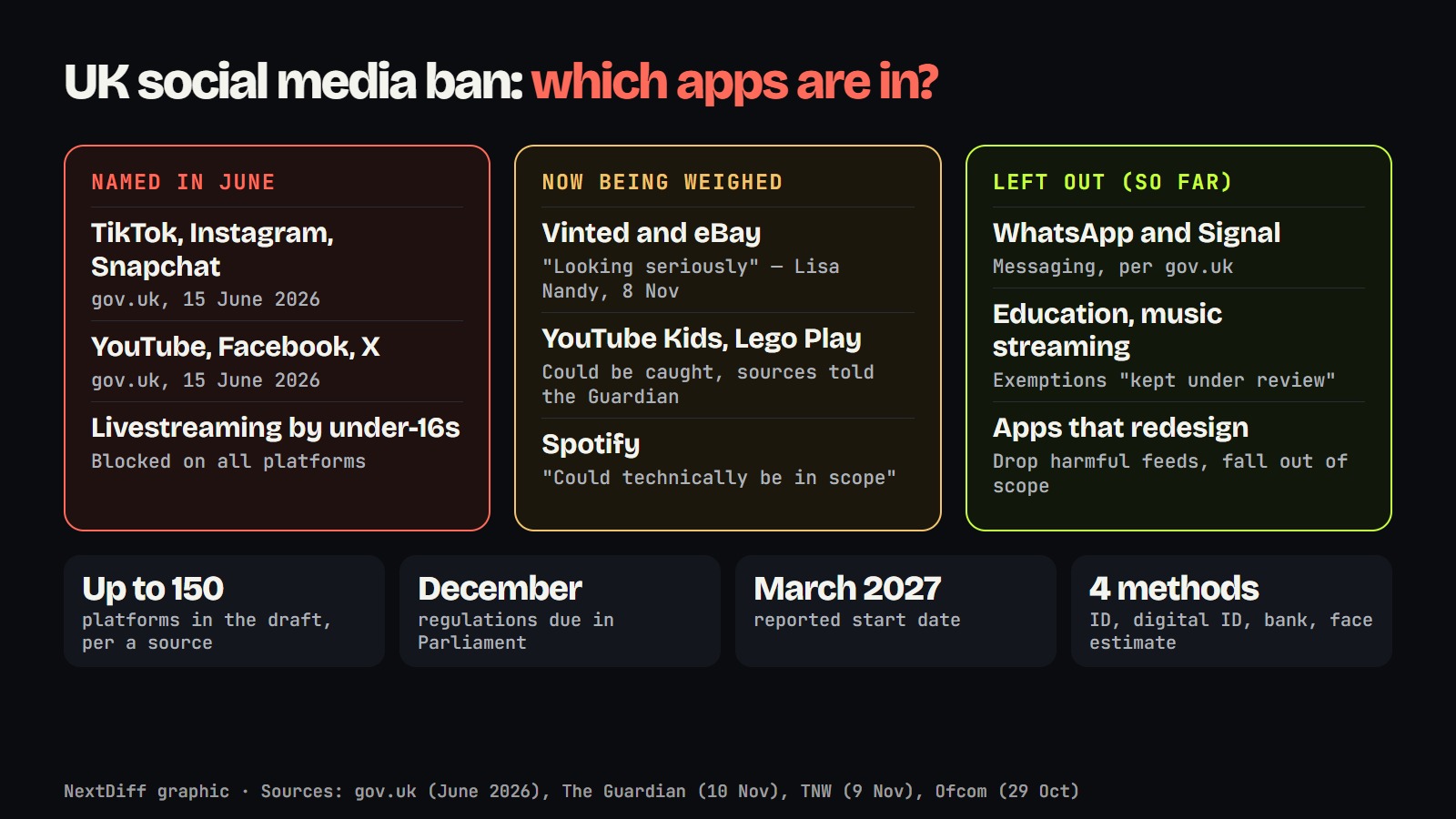 Image: NextDiff. Sources: gov.uk (June 2026), The Guardian (10 Nov), TNW (9 Nov), Ofcom (29 Oct)
What apps does the UK social media ban cover?
The government's 15 June announcement said it would copy Australia's model: the ban captures "user-to-user platforms" that let people post material and use algorithms to show it. It named Snapchat, TikTok, YouTube, Instagram, Facebook and X. Messaging apps such as WhatsApp and Signal are not meant to be included, and education, e-commerce and music streaming were set aside through a list of exemptions the government said it would keep under review.
That review is now visibly happening. The plan as it stands:
- Named in June: Snapchat, TikTok, YouTube, Instagram, Facebook and X. Under-16s will also be blocked from livestreaming themselves on any platform, and contact from strangers will be restricted on a wider range of services, including games.
- Being weighed now: Vinted and eBay, after Nandy told the BBC on 8 November: "We are looking seriously at doing so in order to keep children safe." TNW notes that the government said in June that e-commerce would be exempt.
- Possibly caught by the wording: YouTube Kids, Lego Play and even Spotify. Sources told the Guardian on 10 November that the working draft focuses on recommender systems and user-generated content, which reaches well beyond classic social networks.
Not every outlet agrees on the edges. TNW reported that YouTube Kids is not included, while the Guardian's sources say it could be. No official list of platforms has been published yet.
When does the UK social media ban start?
The government's July response to its consultation, which drew more than 116,000 responses, says the first regulations will be laid before Parliament by the end of 2026 and should take effect in spring 2027. The Guardian reports that the regulations go to the cabinet for sign-off this week, that Nandy is expected to lay them in December, and that the ban is set to come into force in March. A second tranche covering "features and functions", where e-commerce sites may land, is expected next spring.
No new Act is needed. Ministers already took the power to do this by secondary legislation in the Children's Wellbeing and Schools Act, which is why the timetable can move this fast.
 Image: Robert Sharp (CC BY 2.0, Wikimedia Commons)
How will age checks work?
This is the part that touches adults too, because every user has to be sorted into "under 16" or "16 and over". On 29 October Ofcom named four methods it considers capable of being "highly effective" at that line:
- Photo ID matching: a passport or driving licence compared with a live image of the user.
- Digital ID services: verify once, then reuse the digital ID.
- Banking-based checks: the bank confirms the age it holds, with the user's consent.
- Facial age estimation: an estimate from the face, with a "challenge age" and a second check, because some tools are a few years out at 16.
Ofcom estimates that 94% of people aged 16 and over in the UK have a passport or driving licence, and that around 150,000 16- and 17-year-olds have neither. "It can work if social media firms do highly effective age checks properly," said Ofcom chief executive Melanie Dawes. The government's July response says it will not ban or age-gate VPNs; it has asked Ofcom to research how platforms can detect workarounds instead.
Turning 16 does not mean the defaults vanish. By default, 16- and 17-year-olds will be locked out of social media between midnight and 6am, with notifications muted, and will get feeds that are not personalised and videos that do not autoplay. The government says they will be able to turn the overnight limits off once they feel they no longer need them.
Why is the list growing?
Because the government is defining social media by how a product works, not by what it is called. Online safety minister Ian Murray told MPs that services can be "brought into scope by having new functionalities", citing Spotify's new messaging feature. The flip side is an off-ramp: a platform that removes harmful algorithms, comment systems or stranger contact can fall out of scope, which is how the government expects YouTube Kids or Lego Play to prove they do not belong on the list.
The industry's answer, in the words of one source quoted by the Guardian: "The whole internet has a recommender system." Tech bodies say services like YouTube Kids stop working without recommendations, so the off-ramp is not real for them. Vinted, which has 17 million UK users, says messaging is part of how its platform works; eBay says the details are not yet clear.
 Image: Cristiano Betta (CC BY 2.0, Wikimedia Commons)
Why it matters beyond the UK
For anyone who builds software, the important change is the definition, not the age. A rule that targets recommender systems plus user content catches marketplaces, kids' video apps, game platforms and music apps with social features. It is a much wider net than a list of brand names, and it pushes the same design questions we covered with California's AB 1709: how you know a user's age, and what your product looks like with the feed turned off.
The platforms objected in June. YouTube said blanket bans push children "towards anonymous, less safe services", Snap said a ban may push teens "to less safe platforms", and Meta said, "we don't think bans will achieve this goal", according to ABC News.
What happens next?
Watch for three things: cabinet sign-off this week, the regulations being laid in December with the first official list of platforms, and the March start, if the reported date holds. Separately, England's schools are being told to go fully phone-free during the school day. Education Secretary Lucy Powell said children "should not be using smartphones at any point during the school day, full stop", under strengthened guidance due to take effect next September.
Nothing changes for UK teenagers today. If you run a service with a feed and user posts, assume you may be in scope until the list says otherwise.
Questions readers ask
- What apps are in the UK social media ban?
- The government named Snapchat, TikTok, YouTube, Instagram, Facebook and X in June 2026. Vinted and eBay are being considered, and sources told the Guardian that YouTube Kids, Lego Play and up to 150 platforms could be covered. No official list has been published yet.
- When does the UK social media ban start?
- The government says the first regulations will be laid before Parliament by the end of 2026 and take effect in spring 2027. The Guardian and TNW report a March 2027 start.
- Is WhatsApp included in the UK social media ban?
- No. The government said in June that it does not intend to include messaging services such as WhatsApp and Signal.
- How will the UK check if you are under 16?
- Ofcom has named four methods it considers highly effective at age 16: photo ID matching, digital ID services, banking-based checks and facial age estimation with a second check for borderline cases.
- Will VPNs be banned in the UK for under-16s?
- No. The government's July 2026 response says it will not ban or age-gate VPNs, but has asked Ofcom to research how platforms can detect workarounds.
+ Sources
- gov.uk — Social media to be banned for under-16s (15 June 2026)
- gov.uk — Growing up in the online world: government response (July 2026)
- The Guardian (via AOL) — UK social media ban expansion could cover YouTube Kids
- TNW — UK may add Vinted and eBay to its under-16 social media ban
- Ofcom — How age checks at 16 can work to underpin the UK's social media ban
- ABC News — British prime minister announces proposed social media ban (June 2026)
- LADbible — New phone rules for children in school
+ Rate this story
Get stories like this on your phone, the minute they drop.
 Scan with your Android phone
The Weekly Diff launches soon.
Subscribe on YouTubeKeep reading